
Junior Bats
2 resultsJunior cricket bats are specifically designed for young players, not simply smaller versions of adult bats. They are built to suit a child’s size, strength and stage of development, helping them learn proper technique with greater control and confidence. Whether playing in the garden, training in the nets or representing their school or club, the right junior bat can help young cricketers develop their game more effectively.
GM DXM English Willow Junior Bats - All made by our own craftsmen and women in our own factory in Nottingham, England. Junior DXM bats are precisely scaled replicas of Senior editions.
For advice on choosing the right cricket bat click here: https://www.playwiththebest.com/cricket/how-to-choose-your-cricket-bat.html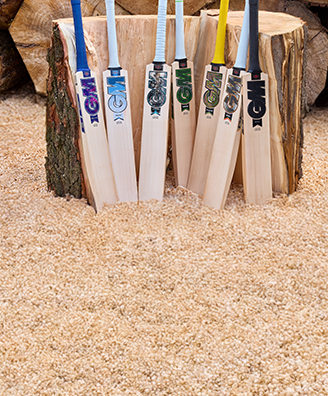
#BEMOORE

10% off your first order
Sign up for exclusive content, insider updates, and special offers (like 10% off your first purchase) curated for players just like you.
#BEMOORE


More about Junior Bats
a. By size
Junior cricket bats come in sizes 0 through 6, plus Harrow, the bridge size between junior and full adult. Choosing the correct size is as important as choosing the right material: a bat that is too heavy or too long makes it harder for a child to swing correctly and can reinforce poor habits early on.
b. By use case
- First bat or complete beginner: Lightweight, easy-to-handle bats that help children build confidence and learn basic batting skills. Choose the GM Opener for ages 4–8, the GM Striker for ages 8–11, or the GM Rival Softball Bat for softball and tapeball cricket.
- School and recreational play: Durable, good-value bats designed for regular school cricket, coaching sessions and casual club use. Suitable options include the Diamond 101, Diamond 202 and Rival Kashmir Willow.
- Club and age-group competition: English willow bats such as the Rival Junior, Galaxy Junior and Psyche Junior offer the responsiveness, pickup and performance needed for competitive junior cricket.
- Regular training and development: The Radon Junior and Diamond Junior are suited to committed young players who train frequently and want a consistent feel across practice sessions and matches.
c. By material
- Plastic: Lightweight, durable and weather-resistant, making it ideal for very young children playing garden, beach or backyard cricket.
- Kashmir willow: A good balance of performance, durability and value for school, coaching, recreational and developing club players. Selected GM models are factory-fitted and ready to play.
- English willow: The performance choice for ambitious juniors seeking greater responsiveness, feel and consistency in competitive cricket.
2. FAQs
a. What size cricket bat does my child need?
Junior cricket bat sizes are based primarily on height rather than age. Sizes range from Size 0 to Size 6, with Harrow designed for taller juniors before they move to adult bats. Use our size guide to find the right fit for your child's height before choosing the material or playing level.
b. What is the best cricket bat for juniors?
The best junior cricket bat depends on your child's age, playing level, and budget. English Willow bats are ideal for competitive and age-group players, while Kashmir Willow suits developing players. Plastic bats are perfect for younger beginners and casual garden cricket.
c. How do I choose a cricket bat for kids?
Start by choosing the correct size based on your child's height. Then select the material according to their experience level and your budget. Finally, consider how the bat will be used, whether for matches, club training, or casual practice. Choosing the right size is the most important factor for developing good batting technique.
d. Which cricket bat is best for beginners?
For most beginners, a Kashmir Willow or plastic bat is the right starting point, depending on age and where your child will play. At this stage, prioritise lightweight and correct size over grade.
e. Do junior cricket bats need to be knocked in?
GM cricket bats feature GM NOW! preparation, which includes knocking-in, oiling and a clear protective face. We do, however, suggest a ‘playing in’ period where the bat is used against old balls in the nets before being taken into a match.
f. At what age does a junior move to an adult cricket bat?
Most players move up once they outgrow Harrow size, typically around 13 to 15, depending on height rather than age alone. Browse our adult bat range when that time comes.
g. Why buy junior cricket bats from Gunn & Moore?
With over 140 years of cricket bat-making experience, Gunn & Moore offers a junior cricket bat range designed to support players at different stages of development, with a choice of sizes and materials to suit growing cricketers. Gunnandmoore.playwiththebest.com provides access to the official UK range, backed by a 28-day returns policy and support for faulty or damaged items.